
Sicily by the Glass
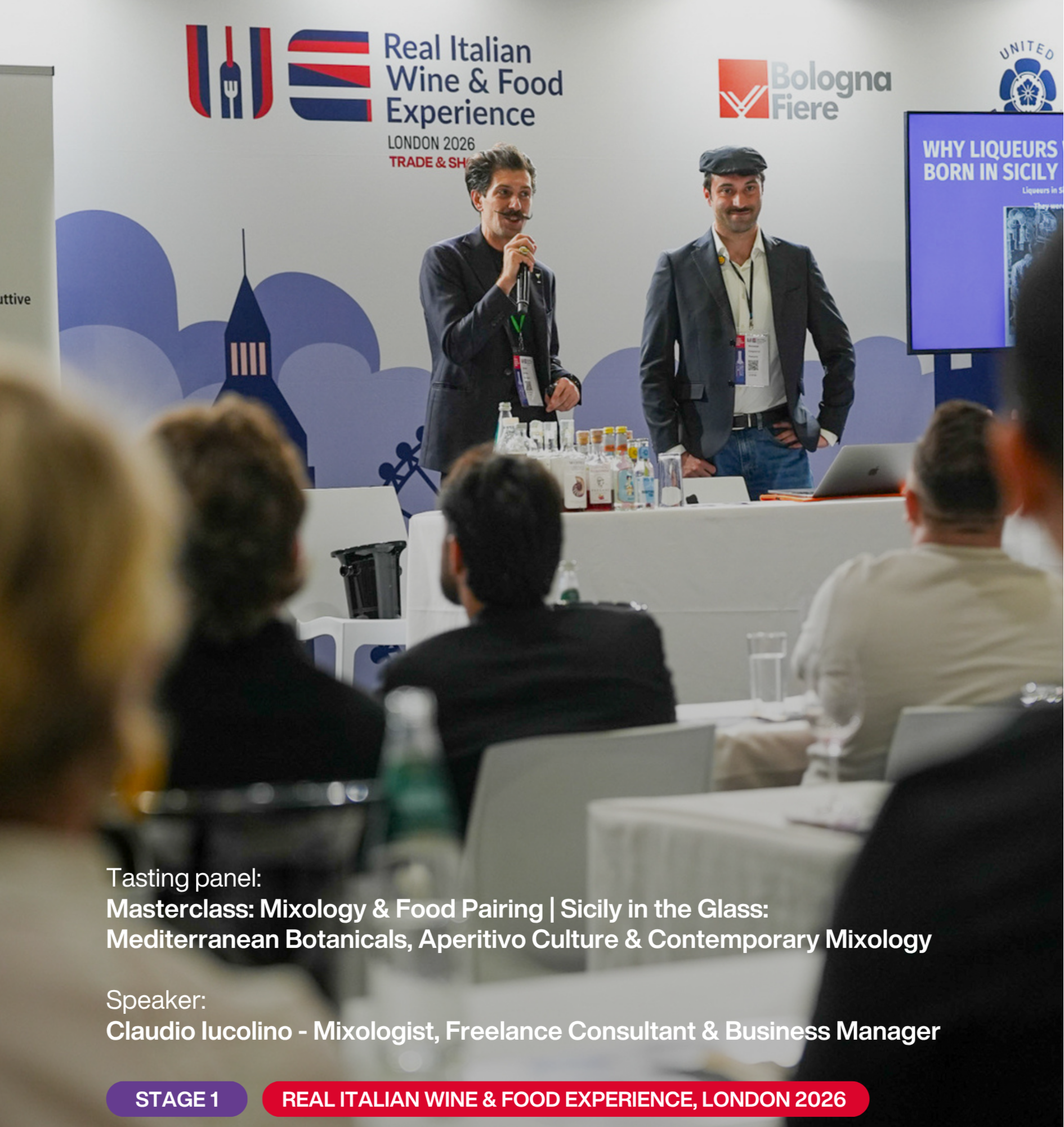
When people talk about Sicily at a wine event, they usually starts with vineyards. For this masterclass, we deliberately started somewhere else: at the bar.
At Wines Experience London, “Sicily in the Glass: Mediterranean Botanicals, Aperitivo Culture & Contemporary Mixology” looked at a side of the island that is becoming increasingly relevant to modern hospitality: spirits, amari, liqueurs and soft drinks built around Sicilian ingredients. The session was led by Claudio Iucolino, mixologist, consultant and drinks curator, and featured products from Marinium, Paesano and Polara. Rather than tasting them one by one, Claudio used six cocktails to show how these products can actually work in a diverse beverage programme.
The session began with an overview about Sicily itself. The island has spent centuries at the centre of Mediterranean trade and migration, absorbing influences from Greek, Phoenician, Arab, Norman and other cultures. That history is easy to see in the food, but it also helps explain the ingredients that appear in Sicilian drinks today. Citrus, bitter herbs, prickly pear and Mediterranean botanicals are part of the local landscape, the ingredients already have a history there. What producers and bartenders are doing today is finding new ways to use them.
Claudio traced that relationship back to the early role of liqueurs. Many were originally produced for practical purposes rather than as recreational drinks, using those herbs and fruit in preparations associated with digestion or medicinal use. From there came rosoli, a sweet aromatic liqueurs that became closely connected with Sicilian hospitality and social occasions. The masterclass followed that progression from rosolio to amaro and eventually to the modern cocktail.
Three producers, three different jobs behind the bar
The products used during the tasting also helped make very clear the structure of the session.
Marinium represented the spirit base. Its gin is built around a Mediterranean profile of citrus, wild herbs and a noticeable saline character, with the sea playing an important part in the way the product is presented. The discussion also touched on the wider evolution of gin itself, from its historical association with juniper-based medicinal preparations to a category where botanicals give producers enormous freedom to create a local identity.
Paesano then brought the liqueur tradition into the drinks. Its range includes ingredients such as prickly pear, lemon, pomegranate and artichoke, taking recognisable Sicilian flavours and placing them into contemporary recipes. The artichoke amaro was particularly useful in showing how bitterness can be used as a structural element rather than simply as a digestif served at the end of a meal.
Last but not least there was Polara, which handled the mixers: chinotto, tonic, citrus sodas and other soft drinks. Even if they look like the simplest part of a cocktail, they actually have a large influence on sweetness, bitterness, acidity and dilution. In Claudio’s framework for the session, the three categories worked together very practically: gin for structure, amari and liqueurs for complexity, mixers for balance.
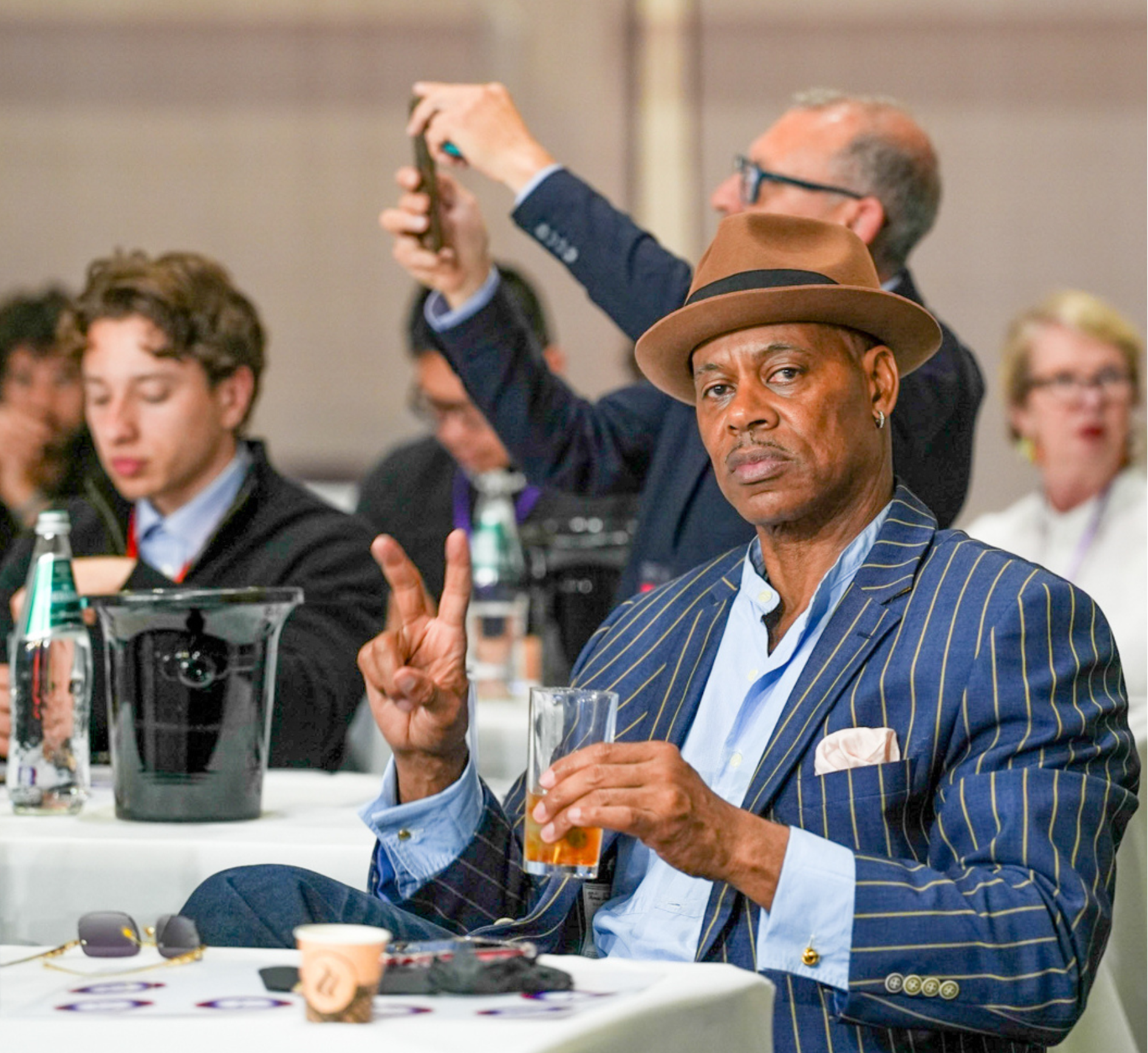
Six cocktails made the idea much easier to understand
The tasting started with Scirocco, made with red vermouth, Polara Pink Grapefruit Soda, olive and lemon. It was fresh, citrus-led and lightly saline, and worked as an easy introduction to the Mediterranean profile of the session.
Isala moved toward a brighter and more fruit-driven style, combining Paesano Prickly Pear Liqueur and Limoncello with sparkling wine and soda. Prickly pear gave the drink a distinctly Sicilian reference, while sparkling wine placed it firmly in an aperitivo setting.
With Niscemi, the profile became richer. Coffee-infused Marinium Gin was paired with Paesano Mango Liqueur and bitter, bringing together coffee, fruit and bitterness in a drink that felt closer to an after-dinner serve.
Then Sicilian IPA was perhaps the most unusual interpretation. Marinium Gin, Polara Chinotto & Tonic and malt were used to build a dry, citrus-driven drink inspired by the flavour profile of beer. It showed how the same Sicilian ingredients can move outside familiar Italian cocktail formats.
Arsia, made with Marinium Gin, bitter, Paesano Pomegranate Liqueur and vermouth, was the most structured of the six. Here the ingredients worked in a more classic cocktail framework, with citrus, bitterness, fruit and aromatics layered together.
The final drink, Brado, also opened an important part of the conversation: the role of non-alcoholic drinks in a modern bar programme. Paesano Artichoke Amaro, Polara Mediterranean Tonic and citrus created a herbal, saline and refreshing serve without relying on alcohol for character.
Seeing the products in cocktails made the commercial side of the session much easier to understand. A gin, an amaro or a soft drink can be sold as an individual product, but hospitality buyers also need to understand what they can actually do with it. The six recipes covered very different moments of service, which was part of the point. Contemporary beverage programmes need products that can move between an aperitivo, a long drink, a more structured cocktail and a non-alcoholic option without every serve feeling like a variation of the same idea.
For Wines Experience, this masterclass was also a useful way to widen the conversation around Italian beverage culture. Wine remains central to what we do, but Italy’s identity is not only that, and in hospitality extends well beyond the bottle. Spirits, liqueurs and traditional soft drinks carry many of the same things we discuss when we talk about wine: local ingredients, production choices, regional habits and the way a product changes once it reaches the table or the bar.
