
The New Frontiers of Italian Exports: What’s Next for Wine and Food in 2025
Reading time: 2 min

This image has been generated with AI
As 2025 unfolds, Italy enters a decisive phase for the future of its food and wine economy. Despite global inflationary pressure, geopolitical instability, and supply-chain disruptions, the Made in Italy agri-food sector continues to show remarkable resilience. Recent figures confirm this trajectory: between June 2024 and May 2025, Italian food exports surpassed €70.7 billion, nearly double the €37 billion recorded a decade earlier.[1] Italy’s traditional pillars (wine, cheese, salumi, pasta, and olive oil) remain the most requested categories across international markets. A 2025 sector analysis highlights how these iconic products continue to serve as cultural ambassadors, carrying the values of craftsmanship, heritage, and regional identity worldwide.[2]
Italy’s flagship categories: heritage with global traction
Wine remains at the center of Italy’s export ecosystem, though the global context is shifting. The Italian Wine Industry Report 2025 notes slower consumption growth in some traditional markets but increasing demand for premium and sustainably certified labels.[3]
Olive oil follows a similar trajectory. According to the International Olive Council’s 2025 updates, global demand continues to favour high-quality extra virgin olive oils, with Italian productions maintaining their strong reputation despite climatic fluctuations and lower yields.[4]

This image has been generated with AI
Meanwhile, pasta and cheese maintain their position among the top exported foods. Latest EU data confirms robust global demand for Italian pasta, which exceeded 2 million tonnes exported in 2024, reinforcing Italy’s leadership in the category.[5] Emerging markets: where growth is accelerating
While the U.S. remains Italy’s largest and most consolidated market, the growth curves of 2025 point clearly toward new geographies. Italian food and beverage exports grew by 6% in the first half of 2025, driven in part by Southeast Asia and Latin America, regions where demand for premium, authentic European products is rising.[6] Vietnam, for example, continues to expand its wine and gourmet food imports, driven by a growing middle class and the emergence of modern retail distribution. Mexico, on the other hand, shows increased interest in Italian pasta, cheese, and sparkling wines, positioning itself as one of Latin America’s most dynamic import markets. These markets may not yet match the size of the U.S. or the U.K., but their demand growth is significantly higher, and more agile.
Why anticipating this shift matters
Mature markets offer stability but slower expansion; emerging ones offer growth but require adaptability and long-term vision.
Success in 2025 and beyond will depend on a few critical capabilities:
Reading consumption trends early, especially among younger, urban consumers in Asia and Latin America.
Investing in brand awareness in markets where Italian products are admired but not yet fully understood.
Strengthening logistics, cold-chain infrastructure, and digital export practices to ensure consistency across long-distance supply chains.
Adapting communication to new cultural contexts, where storytelling, visual identity, and authenticity play an increasingly important role.
Looking ahead: an opportunity, not just a challenge
The most significant shift of 2025 is not simply numerical. It is strategic. The global appetite for Italian food and wine continues to grow, but it is diversifying. Maintaining strong presence in markets like the U.S. and U.K. remains essential, but future growth will increasingly depend on markets such as Vietnam, Mexico, South Korea, the UAE, and Singapore, countries where Italian quality is perceived as aspirational and culturally enriching.
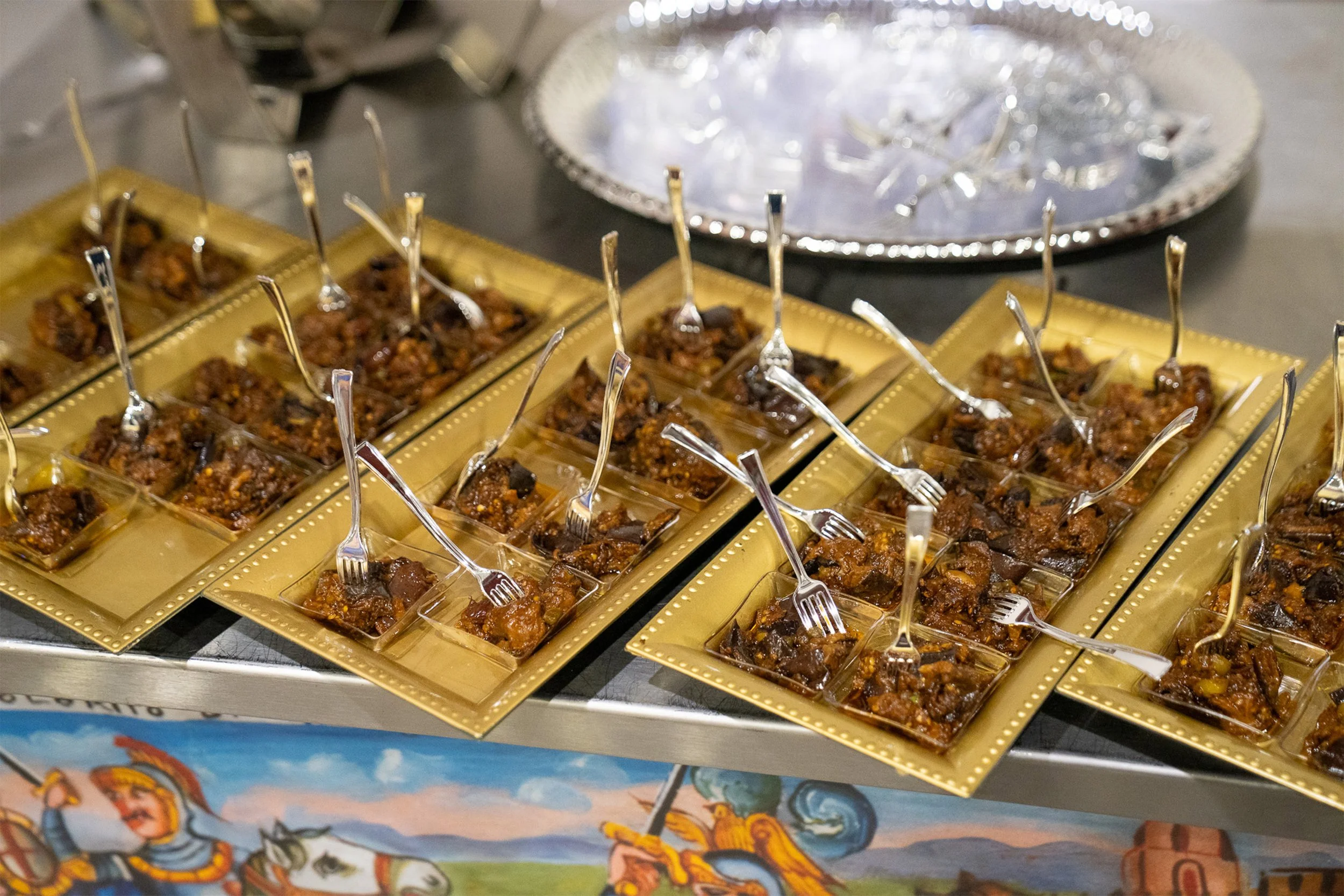
Image taken at Vinitaly USA 2025, Navy Pier, Chicago, IL
[1] News Italian Food, Italy’s food exports hit record €70bn , URL: news.italianfood.net (09.30.2025)
[2] OpprtunItaly, AgriFood Made in Italy Worldwide Report, OpportunItaly, (01.2025)
[3] Vigolo P., Wine, Europe and Italy in 2025: between restructuring and uncertainty, URL: liveinitalymag.com (11.17.2025)
[4] International Olive Council, Olive sector statistics – August/September 2025, URL: internationaloliveoil.org (09.08.2025)
[5] De La Feld S., Italy queen of pasta, exported more than 2 million tonnes in 2024. But US market now at risk, URL: eunews.it (10.24.2025)
[6] News Italian Food, Italian Food & Beverage exports up6% in H1 2025, URL: news.italianfood.net (09.18.2025)
