
The Carbon-Positive Winery: moving beyond neutrality
Reading time: 2 min
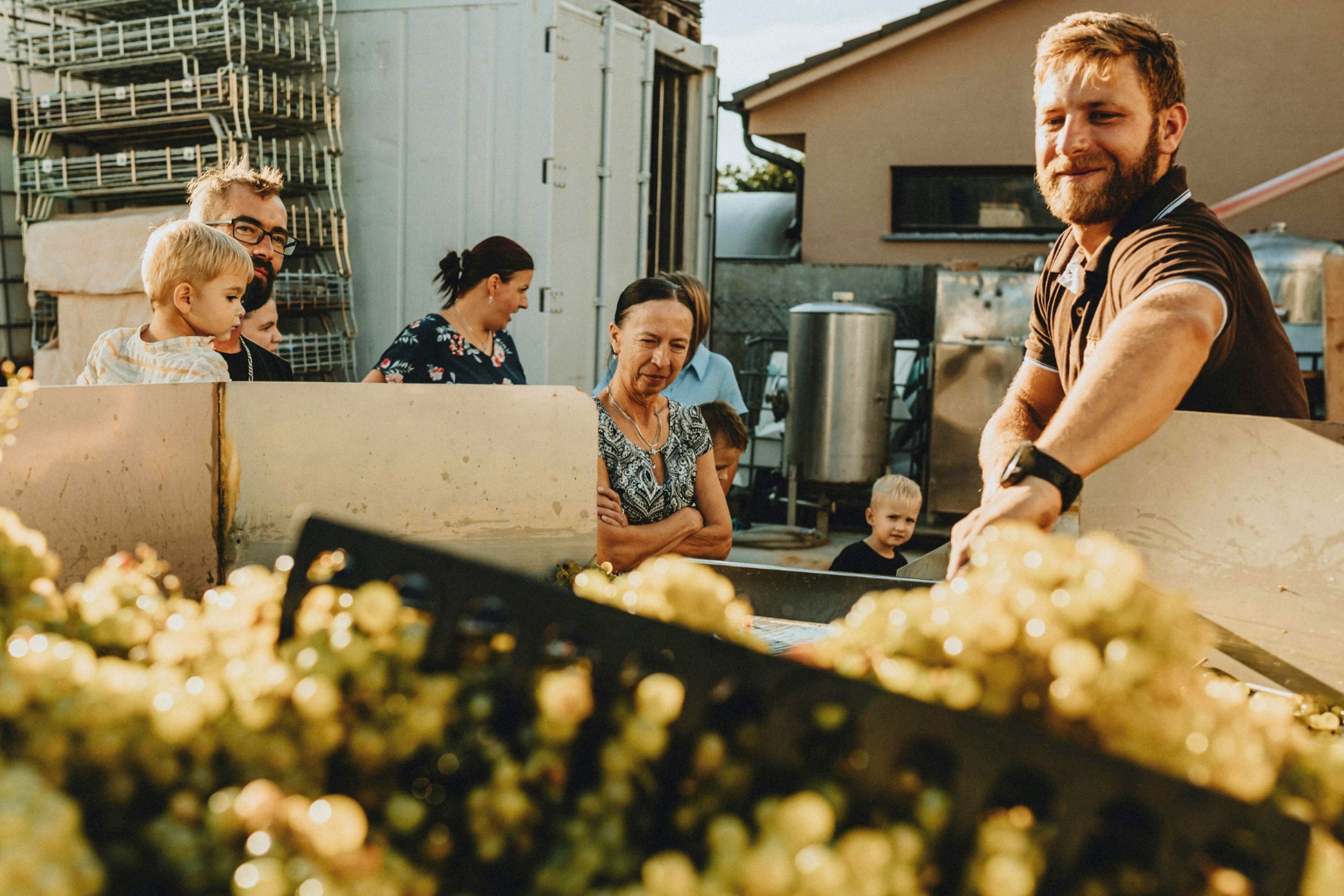
This image has been generated with AI
In recent years, many wineries have announced "carbon-neutral" goals. But today, some leaders are raising the bar: not only offsetting emissions, but producing more clean energy than the company consumes and, more generally, building a climate-positive path (removing/avoiding more emissions than are generated along the value chain). In this field, the terminology is often confusing: "carbon positive" is sometimes used with different meanings, so the first rule is to transparently define what is meant and what is being measured.
Why go beyond neutrality? Because decarbonization is no longer just an "ethical" or compliance issue: it is becoming an element of industrial strength (energy costs, operational resilience, access to capital, demands from importers and the Ho.Re.Ca. sector). The International Wineries for Climate Action (IWCA), for example, operates with a logic of real and comparable reductions, with commitments to halve emissions by 2030 and achieve net zero by 2050.
- Integrated Renewable Energy: from “green energy” to “net positive energy”.
The qualitative leap occurs when the winery doesn't "buy" sustainability, but produces it: photovoltaic systems, electrification of processes, heat recovery, energy storage, PPA contracts, and intelligent load management. In parallel, interest in bioenergy and renewable gases is growing where it makes sense: a case reported by IWCA shows that switching to Renewable Natural Gas can reduce emissions by 40-50 tons of CO₂ per year for a company (assuming the same scale and consumption).[1]
- Circular economy: by-products become assets.
Grape pomace, stems, and process water are not just "waste": they can feed recovery chains (compost, biochar, energy, ingredients) and reduce disposal costs. The point is not to create a "showcase" project, but to build repeatable processes that improve margins and ESG narrative with verifiable numbers.
- Glass, packaging and logistics.
If you want to talk seriously about "positive impact," you need to look at where the footprint is often concentrated: the bottle. A recent LCA (Life Cycle Assessment) on glass wine bottles shows that bottle production can account for up to 70% of the emissions associated with wine consumption (depending on the scenarios and assumptions). This changes the priorities: lighter glass, alternatives (where consistent with positioning and markets), reuse where logistically feasible, and optimization of transport and loads.[2]
Therefore, a "carbon-positive" winery isn't simply one with the best slogan. It's one that transforms energy, waste, and precision viticulture into a measurable industrial strategy, and that can demonstrate, with evidence, that sustainability is not an additional cost but a structural competitive advantage.
[1] International wineries for climate action, Case Study: two wineries tackle fossil fuel reliance through biogas and renewable natural gas, URL: iwcawine.org (01.17.2024)
[2] Caspers J., Made P., Finkbeiner M., Reusable beverages packaging: A life cycle assessment of glass bottles for wine packaging., URL: sciencedirect.com (03.2025)
