
From Booth to Browser: Hybrid Wine Fairs and the Digital Reinvention of Networking
Reading time: 2 min
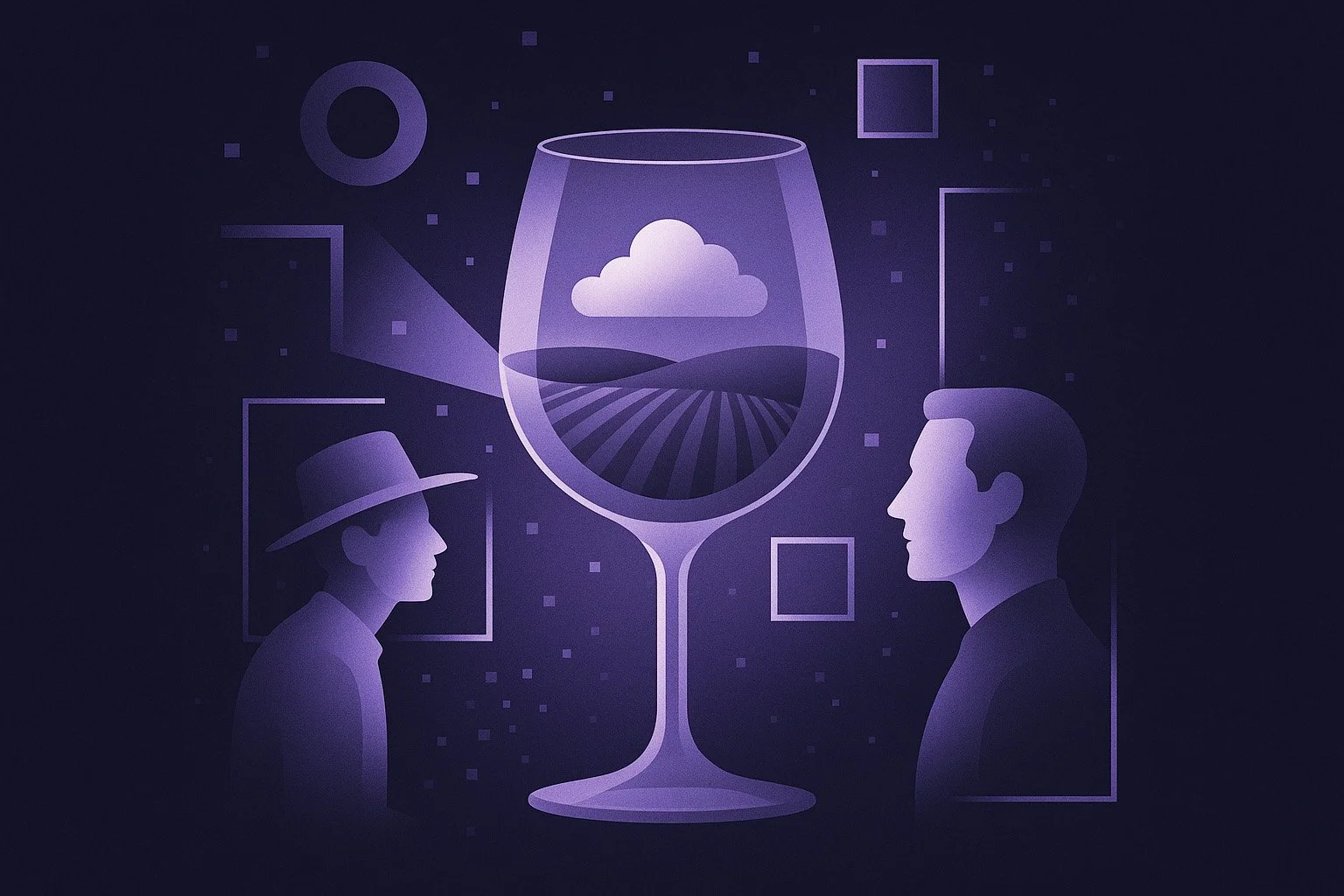
This image has been generated with AI
When the pandemic forced trade fairs to shut down, most industries reacted by accelerating digital innovation. Virtual marketplaces, AI-powered matchmaking, hybrid expos and on-demand content quickly became the norm. While sectors like tech, fashion and FMCG integrated hybrid strategies, the wine world has shown a notable reluctance to fully embrace digital transformation, often relying on tradition, physical tastings and interpersonal rituals as justification for maintaining the status quo. Yet the data speaks clearly: the shift toward hybrid events isn’t a trend, it’s a structural evolution of global B2B behavior. Similarly, Meininger’s International documented the growth of hybrid formats in European wine events, noting that reach and engagement increased significantly among attendees who could not travel.[1] But the wine sector, especially traditional European producers, often remains hesitant. Digital tools are perceived as “less authentic,” or “not suited to wine culture.”
In reality, digital does not replace the glass: it amplifies the journey around it.
Why we should consider innovation
The benefits of embracing this evolution are substantial. For producers, especially small and medium-sized ones, hybrid models offer access to international buyers who may not have the resources or time to travel. Digital platforms also produce valuable data: interactions, searches, viewed profiles and preferences can help wineries build more targeted and effective commercial strategies. For buyers, hybrid fairs simplify discovery, create meeting opportunities with producers across continents and allow them to integrate physical visits with digital follow-ups. In short, hybrid formats democratize access to global trade.
If the wine industry resists this shift, the risks are equally clear. Trade fairs risk losing relevance in a world where agility and connectivity are indispensable. Younger professionals, accustomed to digital-native environments, may view static, exclusively physical events as outdated. Other industries have already demonstrated how hybridisation strengthens, not weakens, the value of in-person experiences. The technology sector, for example, transformed events like CES and Web Summit into year-round platforms with virtual stages, digital exhibitor hubs, and AI-driven matchmaking tools that allow participants to connect before, during and long after the physical show.[2] The fashion industry followed a similar path: London Fashion Week and Milan Fashion Week introduced hybrid catwalks, livestreamed presentations and digital showrooms, enabling global buyers to place orders remotely while still maintaining the physical glamour of runway events.[3] Even the hospitality world has shifted its approach with platforms such as HRC Connects, which combines physical expos with digital business matchmaking, webinars and on-demand product demos available all year.
This image has been generated with AI
To remain relevant, wine fairs must rethink their role not as isolated physical events but as long-term platforms. This means integrating digital services into every stage of the journey: from registration to matchmaking, from pre-event education to virtual tastings, from live meetings to post-event data analysis. The digital layer should become the connective tissue that links producers and buyers across time zones and months, enriching the physical encounter rather than substituting it.
Ultimately, the future of wine fairs will be defined by their ability to merge physical emotion and digital intelligence. The sensory dimension of wine will always require presence, human touch and atmosphere. But everything around that moment (discovery, planning, follow-up, brand storytelling and long-term relationship building) is now shaped by digital behaviors. Hybrid fairs recognize this duality and turn it into an advantage.
The question the wine industry must ask is no longer whether digital is compatible with wine culture, but whether the sector can afford not to adopt it. In a world that moves fluidly between physical and digital touchpoints, fairs that embrace hybridization will expand their business, strengthen their global presence and remain culturally relevant. Those that do not risk fading into formats the market has already left behind.
[1] Meininger’s International, Organic trade fair goes hybrid, URL: Meininger.de (10.15.2021)
[2] CES, Exhibiton, URL: ces.tech
[3] McDowell M., Digital Fashion Week, URL: vogue.com (05.12.2020)
