
Educating the Market: Building a Shared Culture of Taste
Reading time: 3 min
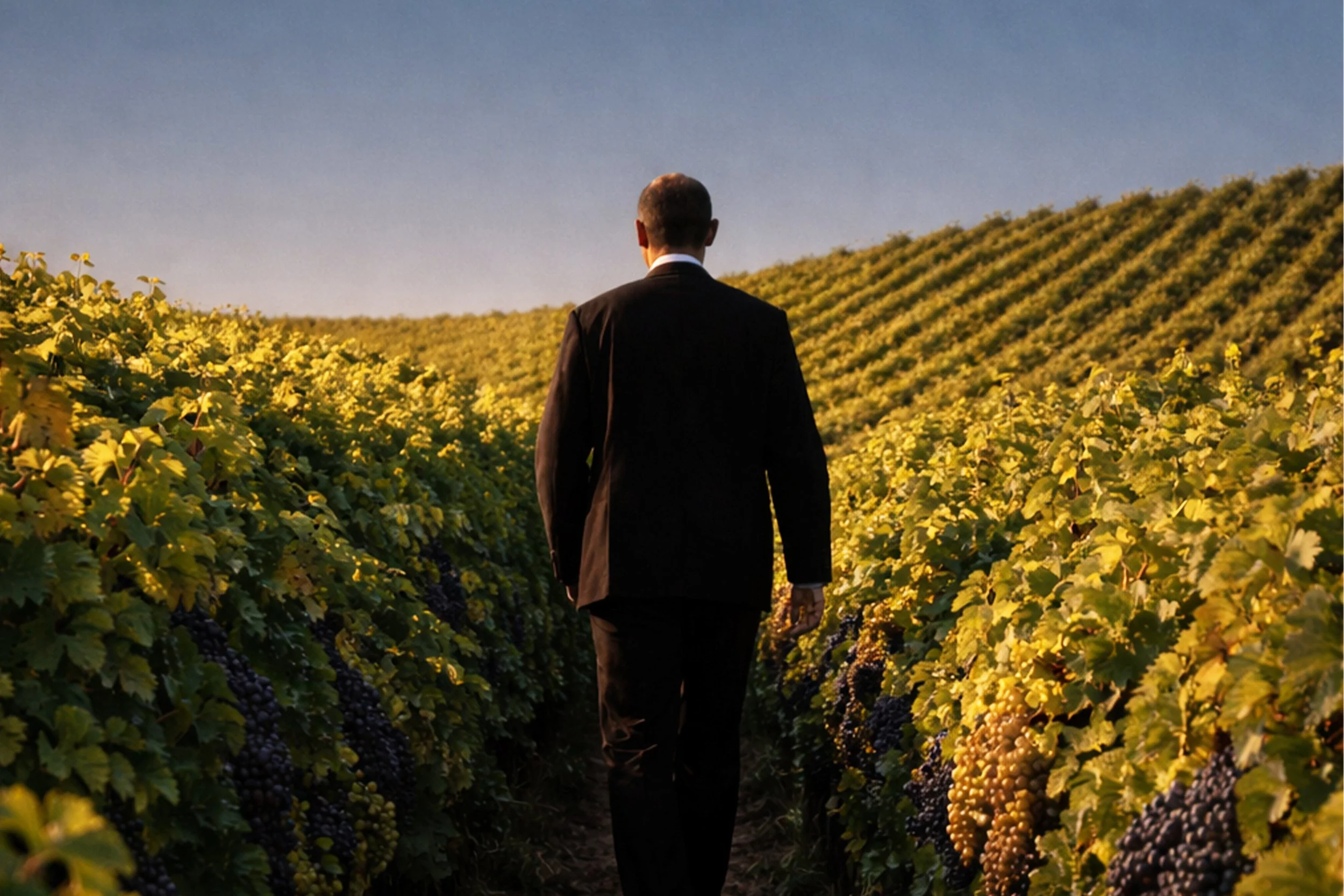
This image has been generated with AI
For many food and wine brands entering international markets, the main challenge is often misunderstood. It is not logistics, price, or even distribution. The first and most critical barrier is awareness. Consumers cannot value what they do not understand, and markets cannot demand what they have never been taught to appreciate. This is why education has become a strategic pillar in global food and beverage expansion.
Taste is not universal. It is cultural, learned, and contextual. The World Economic Forum has repeatedly emphasized that consumer trust and demand in food systems are built through transparency, knowledge, and cultural understanding rather than promotion alone. Education plays a fundamental role in transforming unfamiliar products into meaningful experiences.[1]
In the wine and food sector, education takes many forms: professional training, masterclasses, tastings, storytelling formats, and cultural programs that explain origin, production methods, and usage contexts. The International Organisation of Vine and Wine (OIV) highlights that wine consumption patterns are strongly influenced by knowledge levels, with informed consumers showing higher appreciation, stronger loyalty, and more responsible consumption behaviors.[2]
Masterclasses and guided tastings represent one of the most effective educational tools. Training initiatives aimed at trade professionals and consumers significantly improve confidence in product selection and increase willingness to explore premium and lesser-known categories. Education does not accelerate sales immediately, but it creates conditions for sustainable demand.
Cultural initiatives extend this impact further. UNESCO’s recognition of the Mediterranean diet as Intangible Cultural Heritage illustrates how food education can move beyond products and into shared cultural narratives. When consumers understand food and wine as expressions of history, territory, and social identity, they assign greater value and legitimacy to those products.[3]
From a market-entry perspective, structured education reduces friction. McKinsey’s research on consumer engagement shows that informed customers are more likely to trust brands, accept price premiums, and form long-term relationships. Education transforms marketing from persuasion into guidance.[4]
This is particularly important in emerging markets, where Italian food and wine are admired but not always fully understood. Training programs for sommeliers, chefs, buyers, and hospitality professionals act as cultural multipliers. They translate complexity into competence, enabling local actors to become ambassadors of taste rather than passive resellers.
Ultimately, educating the market is not about explaining products; it is about building a shared language. Awareness creates appreciation, appreciation builds trust, and trust sustains demand over time. For food and wine brands seeking international relevance, education is the foundation upon which lasting market presence is built.
[1] Dreier L., Nayyar S., Shaping the Future of Global Food Systems: A Scenarios Analysis, World Economic Forum, 01.2017.
[2] International Organization of Vine and Wine, 12 months, 12 resolutions: responsible communication on wine consumption, URL: oiv.int (01.31.2025)
[3] UNESCO, Mediterranean Diet, URL: ich.unesco.org
[4] McKinsey & Company, Five years after the start of the COVID-19 pandemic, consumers’ crisis-era habits have lingered. Here’s what organizations can do to outcompete in the second half of the decade., URL: mckinsey.org (06.09.2025)
