

June 25-26, 2026 | The Adora Center. Ho Chi Minh❋
The Market situation in Vietnam
WHY WINES EXPERIENCE CHOSE VIETNAM
Wines Experience was created to generate real commercial opportunities in markets where wine is not yet a commodity, but a premium product. Vietnam fits perfectly within this framework: while wine accounts for a smaller share compared to beer and spirits, it is perceived as a high quality import associated with status and lifestyle, with a higher willingness to pay than other categories.
❋ Sector Positioning: A Niche with High Value-Enhancement Potential
The wine market in Vietnam is still relatively small compared to beer and spirits, but it represents one of the segments with the most promising growth trajectory within the alcoholic beverage sector. Wine is perceived as a high-quality imported product, associated with status, Western lifestyle, and special occasions. This perception enables premium pricing and creates a favorable environment for brand and portfolio strategies, particularly in metropolitan areas and within the hospitality channel.
Available estimates indicate total annual consumption of approximately 15–16 million liters, with medium-term growth prospects (projected CAGR between 6% and 11%, depending on segments and distribution channels).
❋ Macroeconomic Drivers and Spending Power: A Favorable Context for Premium Consumption
In Vietnam, wine is a discretionary and aspirational good, making it sensitive to trends in disposable income and consumer confidence. The macroeconomic environment aligns with a strengthening of premium demand: in 2025, Vietnam recorded GDP growth of +8.02%, with nominal GDP estimated at around USD 514 billion and GDP per capita exceeding USD 5,000.
From an export perspective, what matters most is the direction of growth: rising purchasing power and the expansion of the services sector are supporting spending on “non-essential” consumption and driving the evolution of out-of-home consumption habits, one of the primary growth engines for wine in Vietnam.
❋ Import Dependence and Pricing Parameters: An Economic Reading of the Trade
The market is strongly import-driven. Based on 2024 data, total imports amounted to approximately USD 25.8 million for 7,728 tons, with an average import price of around USD 3,338 per ton (approximately USD 2.5 per 0.75L bottle).
The most relevant insight is not the absolute value, but what it signals: relatively limited and geographically concentrated volumes, combined with wine’s positioning as a premium product and the potential for attractive margins—particularly within the on-trade channel.
From a competitive standpoint, the import market has historically been led by Chile and France, with Australia following at some distance. Italy is growing, but still needs to consolidate its mindshare compared to these established leaders—a phase in which targeted B2B initiatives and experiential activities can accelerate both adoption and positioning.
❋ Complementary Sectors and Exogenous Drivers: International Tourism and Premium Hospitality
Tourism acts as a multiplier of wine demand within the premium channel. In 2025, international arrivals reached nearly 21.2 million visitors. This dynamic strengthens consumption in hotels and international restaurants, increases exposure to imported wines, and creates a favorable environment for offerings with a strong cultural and gastronomic component, a natural competitive advantage for Italy, provided it is supported by proper education initiatives and a structured commercial presence.
❋ Demand Structure: Occasional Consumption, Social Context, and Gifting as Primary Drivers
Wine demand in Vietnam remains predominantly linked to social and professional occasions: business dining, international restaurants, high-end hotels, wine bars, and events. This profile differs significantly from mature markets, where home and routine consumption represents a substantial share. In Vietnam, wine is often selected for what it symbolizes: origin, reputation, and image, rather than purely for its category.
Two key operational implications follow:
Strategic seasonality, with demand peaks around Tet (Vietnamese New Year) and during corporate gifting periods, when consumers show greater willingness to pay for premium packaging and recognizable origins.
The importance of education and experience: as wine consumption is not yet fully embedded in daily habits, tastings, food pairings, and storytelling become essential tools for building preference and long-term loyalty.
❋ Italy’s Performance and Statistical Dynamics: Signs of Traction and Measurement Challenges
The available data highlights encouraging signs of traction for Italian wine. In 2024, imports of Italian wine exceeded USD 20 million, positioning Italy as the second-largest supplier by value. Preliminary figures for 2025 (first quarter) indicate approximately 658,000 liters shipped, marking a +40% year-over-year increase, for a total value of around €3 million.
❋ Distribution Architecture and Channels: On-Trade Dominance and the Educational Role of Hospitality
Vietnam should be understood as an on-trade-driven market. According to available data, restaurants, bars, and hotels account for approximately 60% of total wine sales. This structure is particularly significant because the on-premise channel is not merely a sales outlet, but a demand-shaping mechanism. It is within this environment that consumers are first exposed to new labels, internalize categories and associations (origin, food pairing, occasions), and gradually build their purchasing preferences.
❋ Regulatory Framework and Taxation: EVFTA as a Competitiveness Lever, with Fiscal Offset Risks
Market access conditions remain a critical factor. Import duties, excise taxes, and VAT all impact the final retail price. Looking ahead, the EVFTA (EU–Vietnam Free Trade Agreement) foresee the gradual reduction of tariffs, leading to their full elimination by 2027, thereby improving the medium-term competitiveness of EU wines. However, potential increases in excise duties could partially offset the tariff advantage. As a result, the economic sustainability of market entry ultimately depends on pricing strategy, portfolio mix, and the strength of the distribution network.
Concentrated Demand: HoReCa and Decision Makers
The structural factor that makes Vietnam strategically relevant is the dominance of the on-trade channel: approximately 60% of wine sales flows through restaurants, hotels, wine bars, and premium venues. This means that market access is driven by professional buyers (F&B managers, sommeliers, importers), and that a B2B platform combining tastings with targeted meetings represents the most effective tool to accelerate listings and distribution.
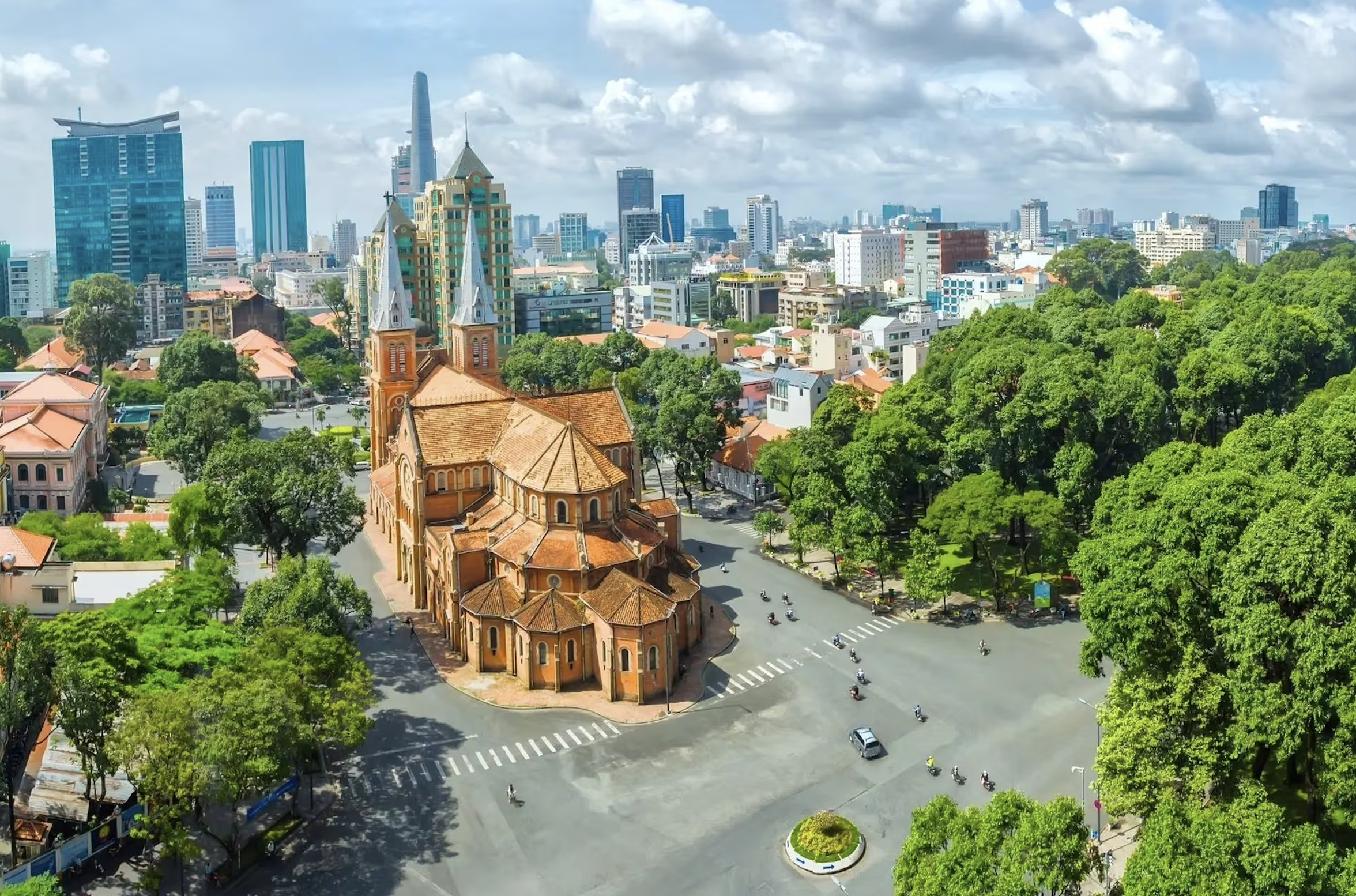
Timing:Economic Cycle, Tourism, and Consumption “Upgrading”
Choosing Vietnam is also a matter of timing. The country is consolidating economic growth and purchasing power, while increasing exposure to international consumption patterns. This environment fuels demand within premium channels and favors brands with strong storytelling and gastronomic pairing potential, an area where Italy holds a natural competitive advantage.
In addition, over the medium term, the EVFTA will further enhance the competitiveness of European wines. In a market where taxation and compliance significantly impact final pricing, this trajectory makes it strategically important to establish a presence in Vietnam before competition intensifies further.
Available research indicates that Italy is gaining traction (e.g. 658,000 liters shipped in Q1 2025, +40% YoY), yet it still competes with origins that are historically more established. Wines Experience therefore enters the market at the right moment: when demand already exists, but an effective platform is needed to convert interest into long-term commercial partnerships.