
Digital Customs: How AI Is Rewriting Border Bureaucracy
Reading time: 3 min

This image has been generates with AI
Customs is one of the last “analog” chokepoints in global trade. While supply chains have digitized forecasting, warehousing, and last-mile delivery, border procedures often still depend on fragmented data, manual checks, and paperwork that travels slower than the goods themselves. For food and beverage exporters, that friction matters disproportionately: every extra hour stuck at the border increases cost, uncertainty, and the risk of quality degradation across temperature-sensitive shipments.
This is why “digital customs” is moving from an innovation topic to an operational necessity. The shift is driven by a new generation of trade technologies (often grouped under the umbrella of TradeTech) that are designed to modernize compliance, information exchange, and cross-border processes. The World Economic Forum describes TradeTech as the next wave of global trade transformation, explicitly calling out trade compliance and digitalization as major areas of near-term impact.[1]
Where AI enters the picture is risk, speed, and prioritization. Instead of treating every shipment as equally “unknown” until it arrives, customs systems increasingly rely on data and analytics to decide what deserves intervention and what should flow. McKinsey explains how machine learning and advanced analytics can help customs agencies “shrink the haystack” by identifying issues before and at the border, improving detection and making interventions faster and more targeted.[2]

This image has been generated with AI
This logic becomes even more important as declaration volumes explode, particularly from e-commerce. McKinsey notes that customs agencies face growing pressure from rapidly increasing cross-border flows and argues for piloting advanced analytics, machine learning, and automation to improve risk assessment and reduce basic declaration errors before submission, exactly the kind of “pre-border” filtering that speeds up clearance.[3]
The other half of digital customs is documentation. If AI is the “brain” that predicts risk, digital trade documents are the “plumbing” that removes friction. Maersk highlights how digitalising trade documentation can improve efficiency, transparency, and resilience, and emphasizes that moving away from paper reduces both delays and operational complexity in international trade workflows.[4] The most tangible results appear when digital documents and pre-arrival data connect directly into national customs systems. Maersk also describes the DGMT project and the UN-developed ASYHUB platform, which enables carriers and traders to submit cargo information and customs documents electronically weeks in advance. That pre-arrival pipeline allows customs authorities to perform risk analysis before the ship reaches port, inspect only high-risk cargo, and let the rest move quickly through clearance.
For wine and food exporters, the implication is strategic. Digital customs does not simply reduce bureaucracy; it converts border clearance into a predictable, data-led step that can be planned, optimized, and scaled. As trade becomes more volatile and compliance more complex, the winners will be the brands and operators that treat customs readiness as part of their digital supply chain.
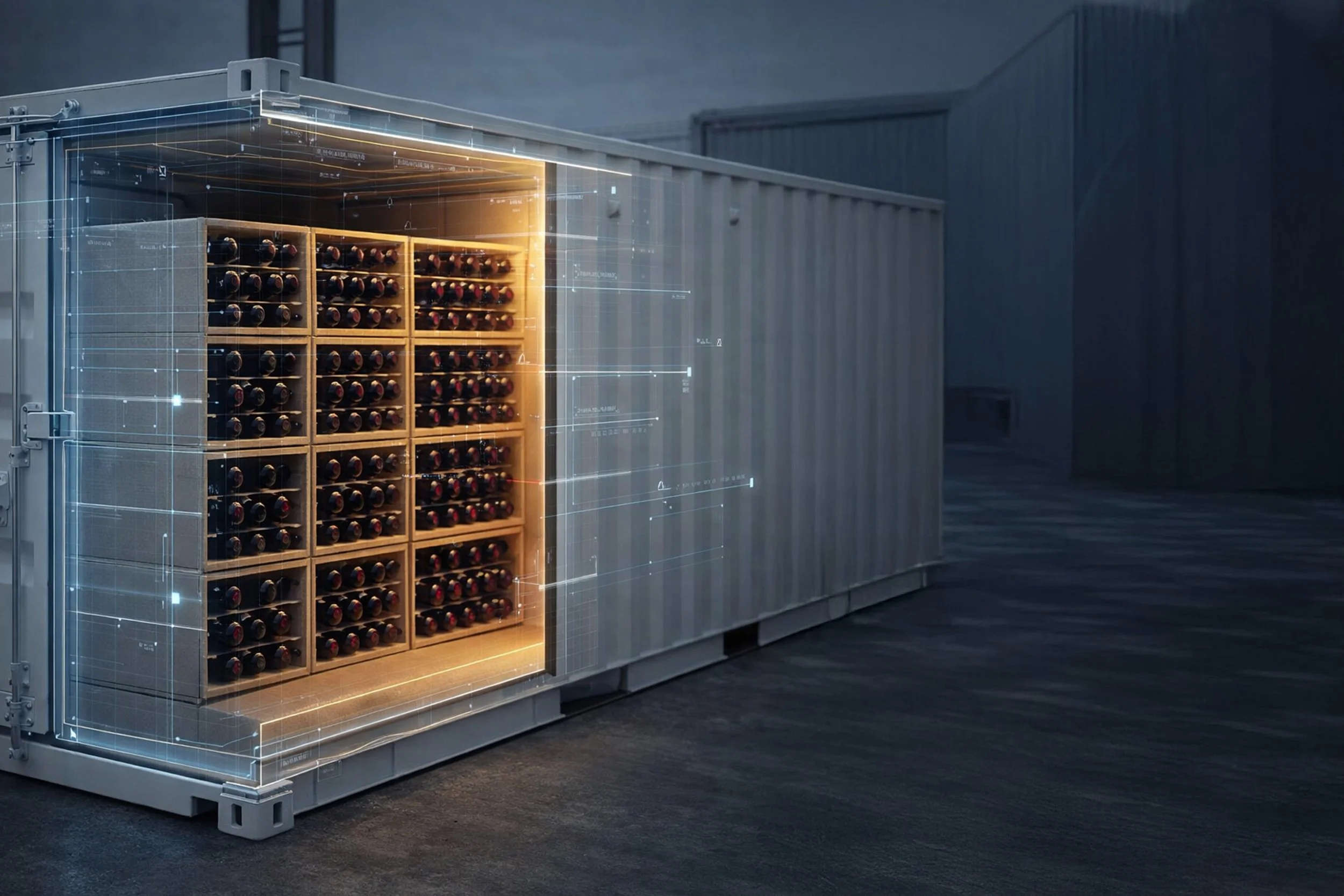
This image has been generated with AI
[1] World Economic Forum, TradeTech could be the future of international trade – here’s why, URL: weforum.org (08.31.2023)
[2] Busheri A., Marcati C., Zaidi S., Using advanced analytics to improve performance in customs, URL: mckinsey.com (09.21.2022)
[3] Barnay A., Davis J., Zaidi S., Can e-commerce help customs agencies fix old problems?, URL: mckinsey.com (08.24.2022)
[4] Das N., The overdue logistic revolution: digitalizing trade documentation, URL: maersk.com (01.15.2024)
